

In our first instalment on writing articles, we discussed how articles can help your business without worrying about a budget and where to get ideas for article topics.
With all the ideas you will gather and the informative article you will put together, now we need to cover where you can publish you article.
- First and foremost, your own website. Every article you write should be archived on your website. Even if a particular article is referring to something in your personal life as opposed to your business life, it needs to be archived on your website where it can be seen by those wanting the information or that are looking for articles on that topic. It also will be indexed by search engines who return to spider websites for new content.Design a new article page on your site and divide your articles up by category. That way people can scan through the sub-headings to easily find articles relating to a subject they are interested in. Include a note about how everyone is welcome to use the articles as long as they leave your contact information in place. Speaking of, don’t forget to have you bio/contact info on all of your articles on your site so if someone simply pulls from your site, they will have it there to include.
- Research publications whose readers are your target market and keep a database of editors that accept article submissions. Be sure to keep that database up to date. Your article will either be ‘returned to sender’ or filed under ‘G’ very quickly if you don’t personalize it to the right person. It is not always easy to find the name of the editor but do your best. Also, if possible, check to see if they have a preference on how they like to receive submissions. Most will accept via email but would they prefer the article be directly in the body of the email; as a Word attachment; as a PDF attachment; or some other preference? If their preference is not known, play it safe and put the article directly in the body of the email.
- There are many websites that will allow you to submit your articles for others to use in their publications. Many editors will go to these kinds of sites to get their content when they are in need of an article on a particular subject and don’t have anything handy to use. Some of these sites include:
http://www.1st-in-home-businesses.com/
http://www.ideamarketers.com/
http://www.goarticles.com
You can do a search online and probably come up with some. - Share your articles with others on your discussion lists, forums and chat rooms. Keep the announcements of new articles to a minimum or don’t announce them at all if the protocol on the list is no blatant advertising. However, if a discussion is ongoing or a question is asked on a subject that you have done an article on, then briefly mention it and provide a link to it where they can go read more on the subject or include the article under your signature lines of your post.
- Have others pass on your article. We all have associates and friends online and they have friends and associates as well. Ask people to pass on your articles (or a link to them) to anyone that makes a plea for information on a subject that you have written about.
- Speaking of, if you find out that anyone is looking for content for their website or newsletter, offer your articles or offer to write a new article.
- Introduce your articles in your own newsletter and include a note that others are welcome to use it in their publications or on their website. Also, include a link to the rest of your articles so they have a larger selection to choose from.
- Announce your articles on your Twitter account, Facebook, and other social networking websites.
As was mentioned, writing articles can portray you as an expert in your field. It doesn’t require a budget but it times require your time. You WILL have to work on it in order to offer information that is both correct & informative. Before you know it, you could be writing a book 🙂
About the author
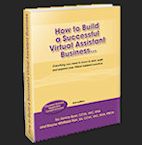
Janice Byer, owner of Docu-Type Administrative & Web Design Services (http://www.docutype.net) provides professional, creative and affordable virtual office assistance and small business website design. She is a Certified Canadian Virtual Assistant (CCVA) and Master Virtual Assistant (MVA). She is also a co-author of How to Build a Successful Virtual Assistant Business and author of a library of Business Building Ebooks. Visit her website for more information.
© Docu-Type – You may reprint this article online and in print provided the links remain live and the content remains unaltered (including the “About the author” message).




Leave a Reply